Farming
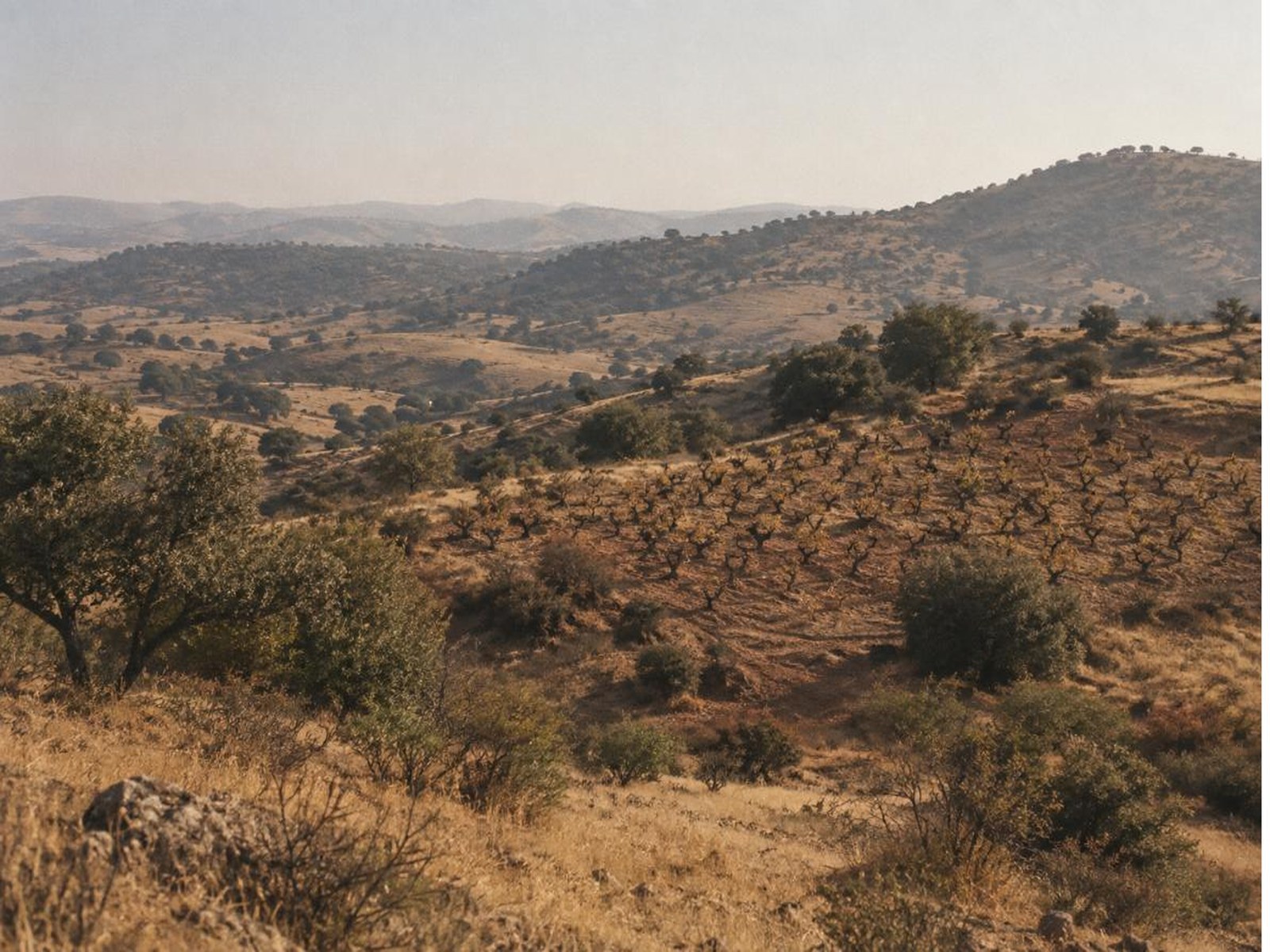
Dry farmed wine from Chile’s Secano Interior
No irrigation. Old vines. Native yeasts. Clay and neutral wood. This is how wine was made in Chile for three hundred years, and how MAITIA still makes it.
- Rainfall
- Winter only
- Irrigation
- None
- Vine age
- 50 to 100+ years
What dry farming means here
The Secano Interior receives its rain in winter and almost nothing from October to April. The vines are head-trained bush vines, planted on their own roots, spaced widely, and never irrigated. Their roots go metres down into the granitic soils to find water. They produce a fraction of what an irrigated vine gives — and a concentration, acidity and sense of place that irrigation cannot.
Why it matters
- Low yields, high concentration. Small berries, thick skins, intense fruit.
- Natural balance. Dry-farmed vines self-regulate; ripeness and acidity arrive together.
- Resilience. Century-old vines have survived droughts, earthquakes and the 2017 fires. They are not going anywhere.
- Honesty. The wine changes with the year. That is not a flaw to hide; it is the point.
In the cellar
Hand harvest. Whole-cluster or destemmed depending on the wine. Native-yeast fermentation in open vats. Ageing in clay tinajas and neutral barrels — never new oak. Minimal sulphur, no fining, light filtration if any.
The grapes
País, Carignan and Semillón, plus small amounts of Pedro Ximénez, Torontel and Cabernet Sauvignon. All from old vines in Loncomilla, Cauquenes and El Sauzal.
Trade
Bring dry-farmed Chile to your market
Trade sheet, availability and samples on request.