The grape · País
País wine from century-old vines
País (Listán Prieto) came to Chile with the Spanish in the sixteenth century and was the country’s wine for three hundred years. In the Secano Interior the old vines survived. This is what they give.
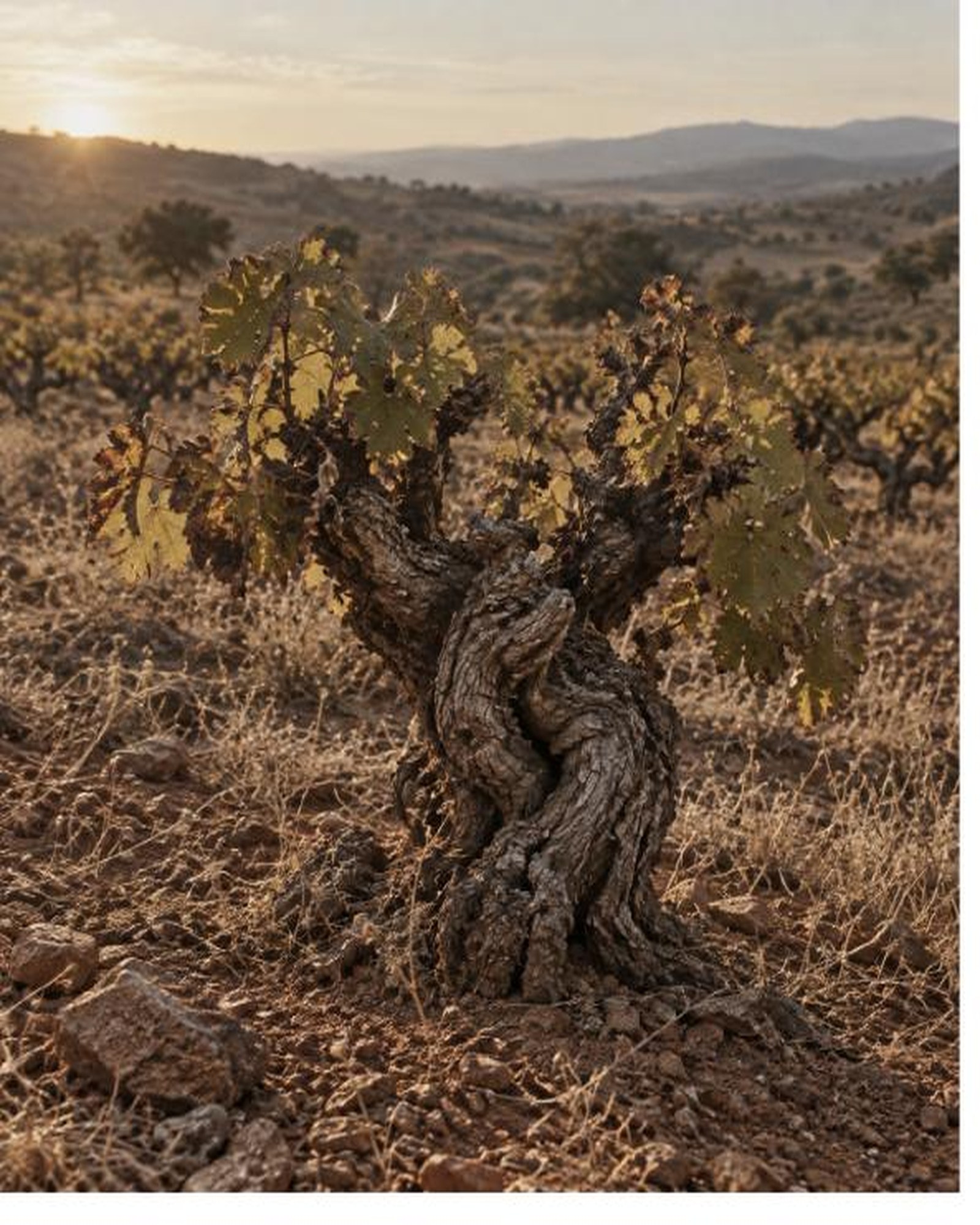
- Grape
- País (Listán Prieto)
- In Chile since
- 16th century
- Farming
- Dry · head-trained
The wines
MAITIA País
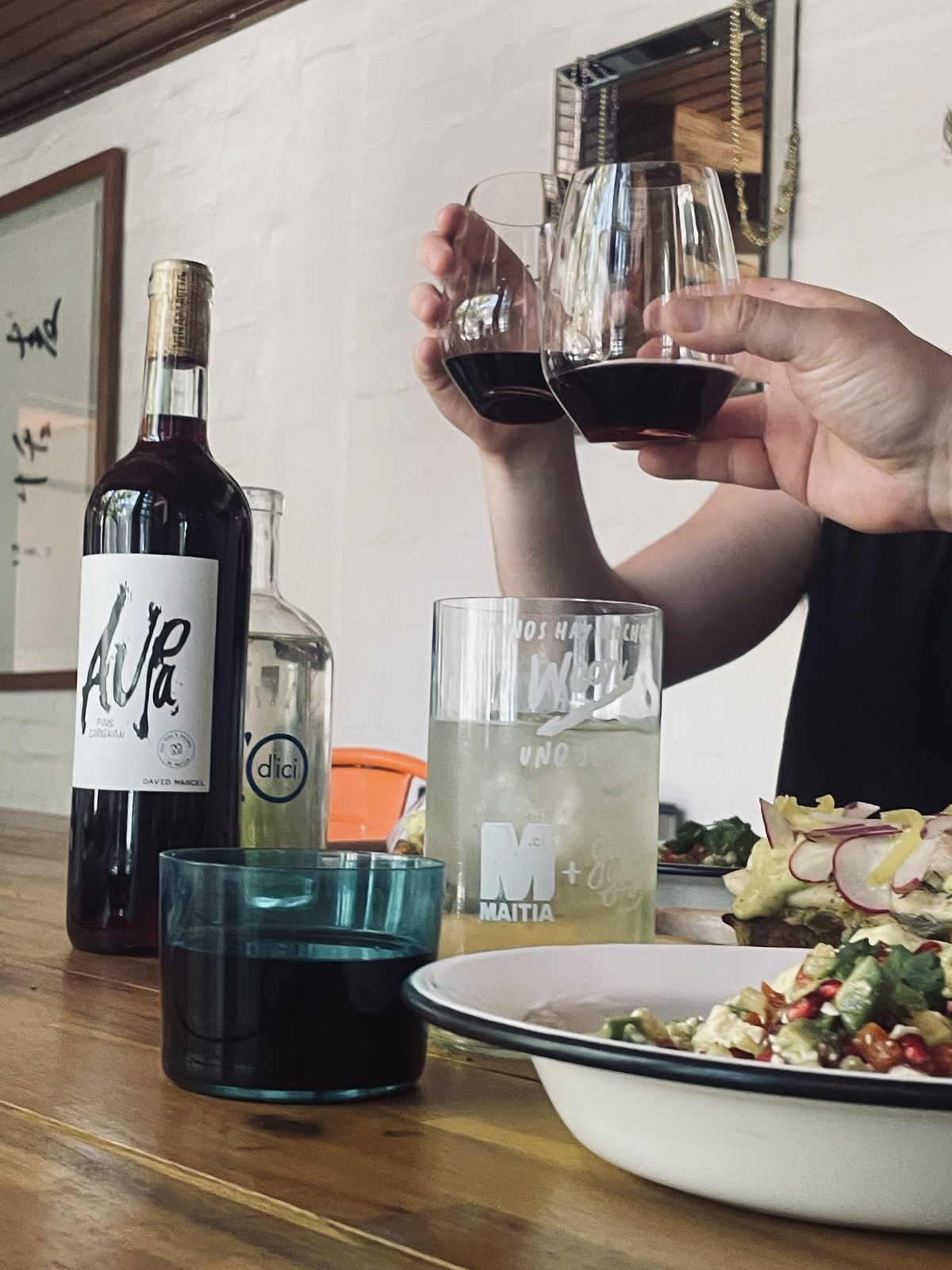
Aupa
PipeñoPaís 80, Carignan 20. The house pipeño. 92 pts Wine Advocate.
- Grape
- País · Carignan
- Origin
- Secano Interior, Maule
- Vintage
- Temporada vigente
Trade pricing on request
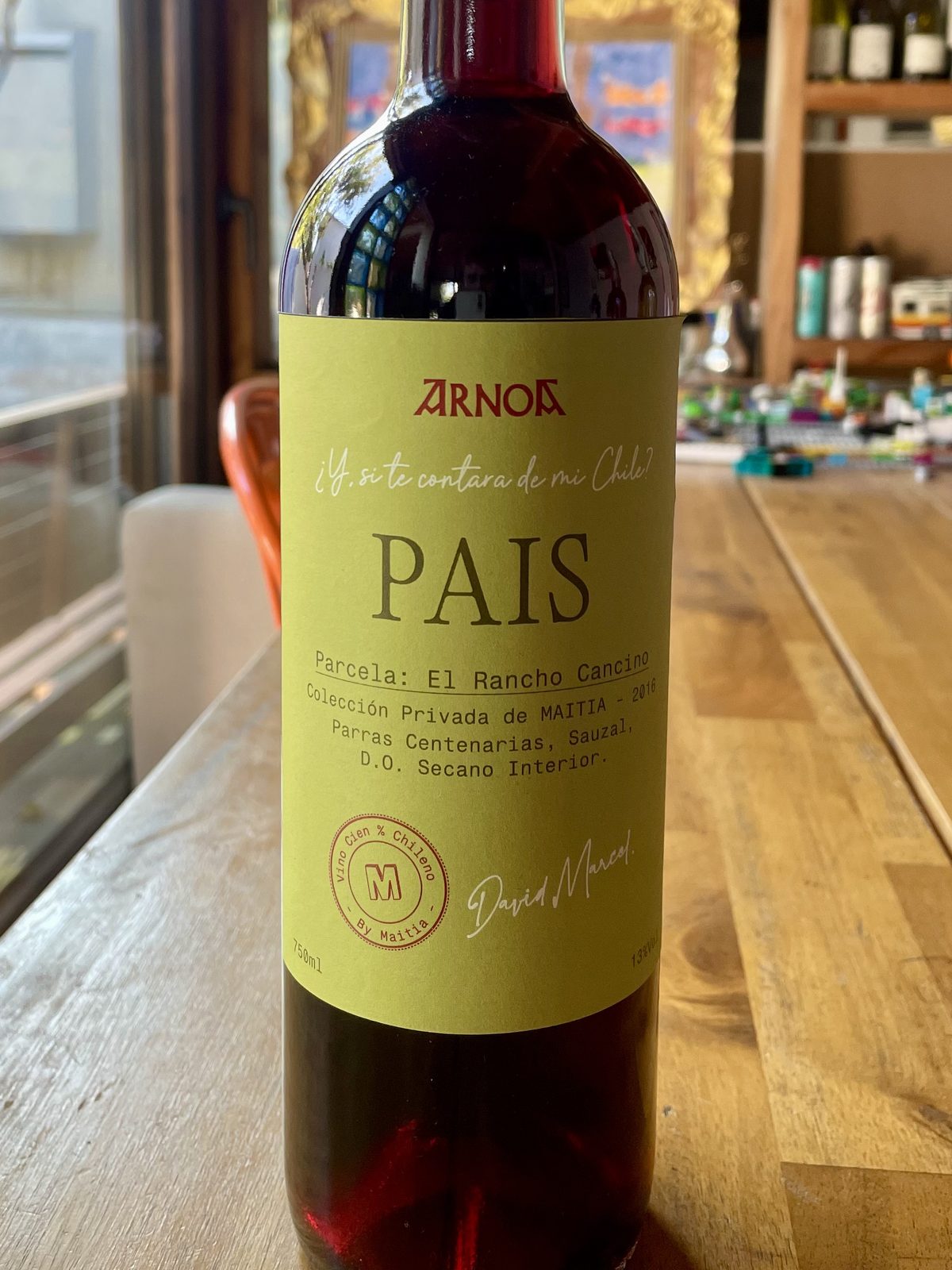
Arnoa País
Arnoa · 232 botellasSingle-parcel País, held back almost a decade before release. 232 bottles.
- Grape
- País
- Origin
- El Rancho Cancino, Secano
- Vintage
- 2016
Trade pricing on request
What País wine is
País is the Chilean name for Listán Prieto, the grape the Spanish carried across the Atlantic in the 1500s — the same variety as California’s Mission and Argentina’s Criolla Chica. For three centuries it was Chile’s wine: the wine of the clay tinaja, the farmhouse and the table. In the twentieth century the industry replaced it with French varieties and relegated it to bulk. The vines stayed where they were, in the dry hills, producing little and producing well.
Old-vine País is now one of the most distinctive reds in Chile: pale, light-bodied, red-fruited, with a rustic, alive tannin. It is served cool and drunk with food.
Pipeño
Pipeño is the traditional farmhouse style of País: hand-harvested, fermented with native yeasts, aged briefly in tinaja, bottled young. The word comes from the pipa, the large cask of the countryside. In Chile it became associated with cheap jug wine; MAITIA uses it in its original sense. Aupa, our pipeño, scored 92 points with Wine Advocate.
How MAITIA makes it
- Head-trained, dry-farmed vines, many over a century old. Roots reach metres down for water. Yields are half those of irrigated vines or less.
- Hand harvest in March, ripe but with acidity intact.
- Native-yeast fermentation, no corrections, no enzymes, no new oak.
- Short ageing. País does not need years in barrel. Bottled young, drunk within a year or two.
At the table
Serve at 12-14 °C. Pairs with braises, empanadas, grilled meat, charcuterie — anything a light, savoury red can lift. In summer it takes an ice cube without complaint.
Trade
Import MAITIA País
Trade sheet, availability and samples on request.